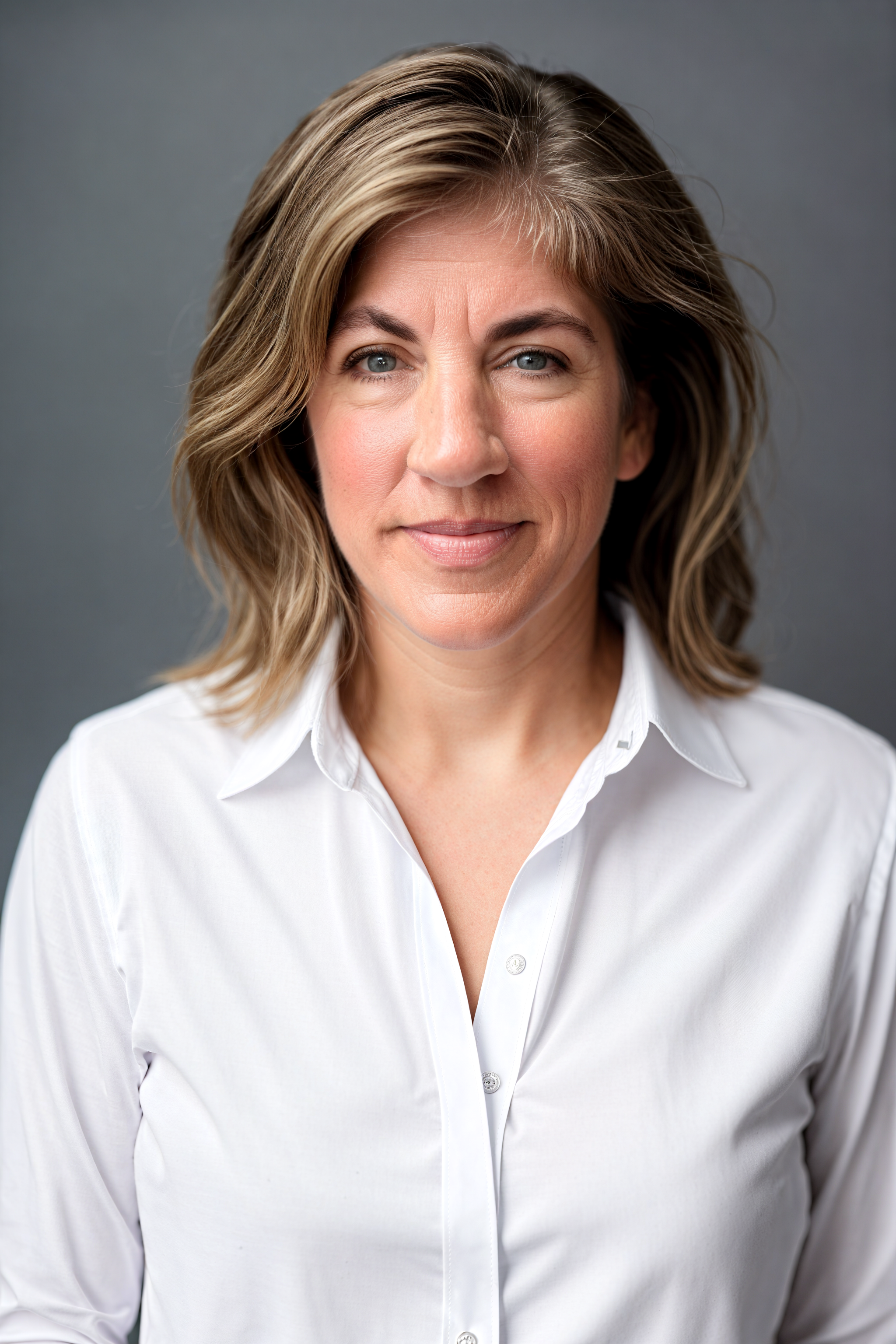
Hi, I’m michelle
I didn't start out as a financial coach — I started out as a stay-at-home mom trying to make a budget work, no matter how many spreadsheets it took to make it work. What actually changed things wasn't a better formula. It was realizing that most of what was going wrong with my money had nothing to do with math, and everything to do with habits, beliefs, and tiggers I'd never actually looked at.
That realization sent me back to school — literally. I became a Certified Financial Coach and a Certified Financial Trauma Coach. I spent years building and delivering financial education programs inside Great Basin Federal Credit Union's wealth services division, working directly with clients, advisors, and community partners. In 2026 that work was recognized with a Social Impact Award for community financial education.
Along the way, I've taught financial literacy classes for organizations across our community, including:
- Reno-Sparks Indian Colony
- Tribal Youth Retreat (Girls)
- Tribal Youth Retreat (Boys)
- Hope Springs
- Catholic Charities
- Hug High School
- Reno Housing Authority
- City of Reno and Reno Works Program
- UNR Multicultural Center and Indigenous Relations
- Job Corps
Now I run Money Mindset — an independent practice built around one belief: people don't need another lecture about money. They need help understanding their own relationship with it, and real tools that work in their actual life. Whether it's a game-based workshop or a private coaching session, my job isn't to hand you a formula. It's to help you find one that actually fits you.
My Approach
Most financial education starts with a worksheet. Mine starts with a conversation about what's actually going on in your head when you think about money — because that's usually where the real blocks live, not in a lack of information.
From there, I lean on games, not lectures. Whether we're running a market simulation, working through a real credit scenario, or stress-testing a budget with actual curveballs built in, the goal is the same: make the decision, feel the consequence, and adjust — the way real learning actually happens. It's the difference between knowing what compound interest means and feeling what it does to an actual decision.
I also bring a trauma-informed lens to this work. Money habits are rarely just about math — they're shaped by what we watched growing up, what we've survived, and what we've never had the chance to say out loud. My approach makes room for that, without judgment, so the plan we build together is one that can actually hold up in your real life.